
Scopus is a large interdisciplinary database that provides author, publication and journal metrics such as citation counts, author citation records and the Cite Score.
Find highly cited literature
What is it? What makes something highly cited? Technically, it’s the number of citations that that article receives within that database. That said, norms around highly cited literature vary by date of publication, by discipline, etc.
How do I find it? To find highly cited literature on a topic, search Scopus for your topic, and sort your results page by “Cited by (highest).”

Find journal metrics
What is it? Journal-level metrics give us an idea of how frequently articles in a particular journal typically get cited based on citation data from the last couple years. While the most well-known journal-level metric is the journal impact factor, Scopus’ CiteScore is a similar measure.
How do I find it? To find the CiteScore for a journal, or to compare CiteScores for journals in a field, search Scopus Sources for that journal or field.

Find author-level metrics
What is it? Author-level metrics like the total number of publications or citations of an author, the h-index, g-index or i10-index attempt to measure the number of works an author has published, and the number of times their work has been cited. There are many critiques and disciplinary differences between these metrics.
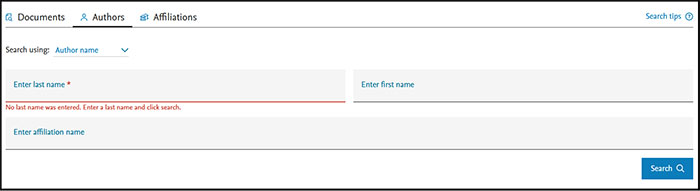
How do I find it? To find author-level metrics, search for an author by first and last name, and include their institutional affiliation.
Questions? Contact your Subject Specialist Librarian.
 Alissa Droog, Dee Anna Phares and Meredith Ayers – subject specialist librarians who serve in the College of Education – have launched “Go Beyond the Stacks: Library Tips and Tricks,” a regular feature in the Ed News with short and actionable pieces of relevant and useful information to maximize teaching, learning and research. This is the sixth installment.
